AI Is Moving Faster Than Higher Education. Here’s Who Can Close the Gap.
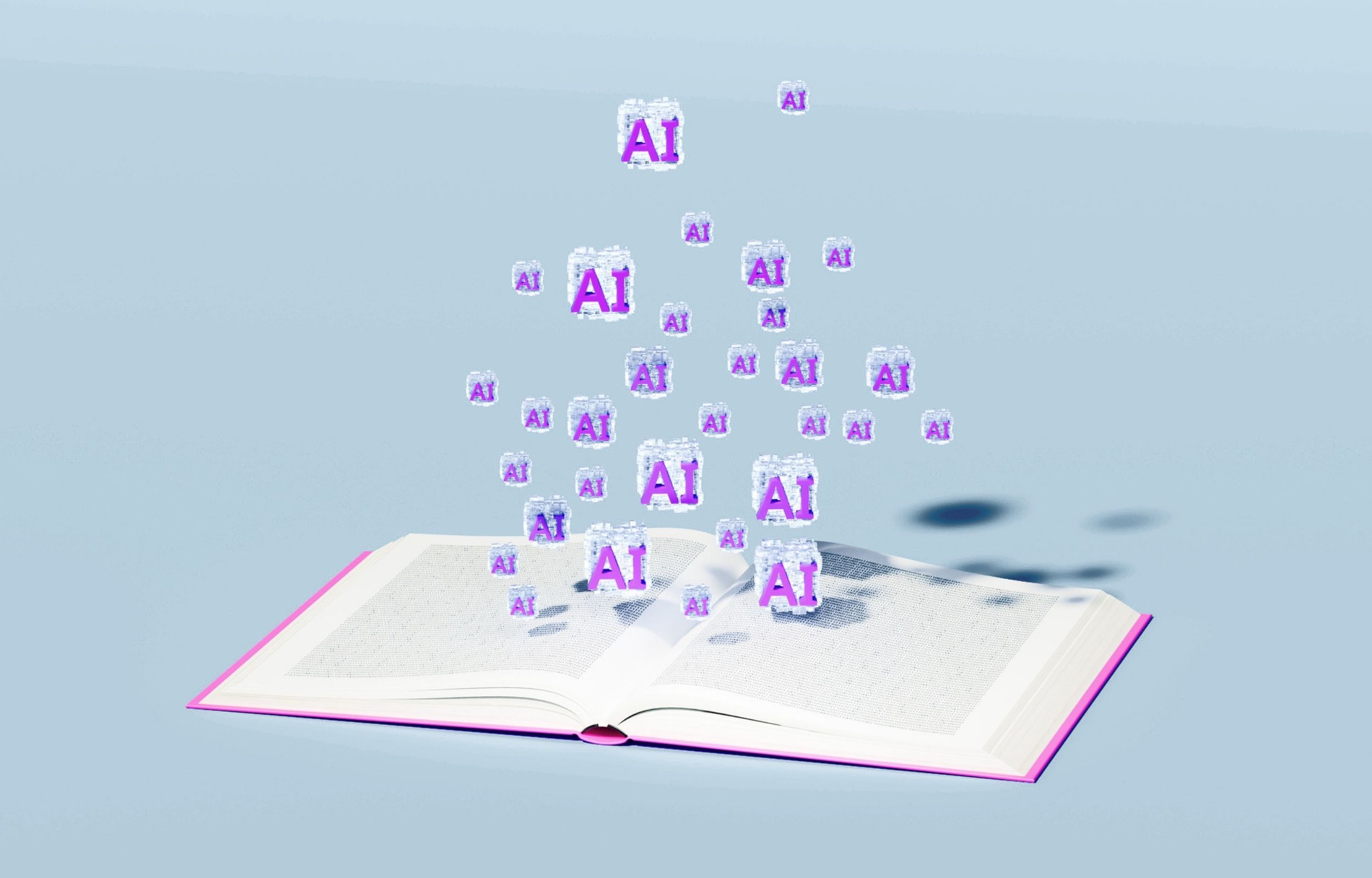
AI has already replaced the skills we're teaching students. The capability a degree certifies now has a half-life measured in years, not decades, and no policy closes that distance fast enough.
The article highlights a pressing concern that AI is advancing at a pace that far surpasses the ability of higher education to keep up. This has significant implications for the talent industry, as the skills being taught in schools are already being replaced by automation. As a result, the value of a degree is diminishing rapidly, with the capability it certifies having a half-life of just years, not decades.
This raises important questions about the relevance and effectiveness of traditional higher education models in preparing students for the modern workforce. The article suggests that policymakers are struggling to keep up with the pace of change, and that current solutions are not sufficient to close the gap between the skills being taught and the skills required by employers. For talent professionals, this means that it's essential to stay adaptable and open to new approaches to learning and development.
As the talent landscape continues to evolve, it's crucial to watch how the higher education sector responds to this challenge. Will we see a shift towards more agile and responsive models of education, such as lifelong learning programs or skills-based training? And how will employers need to adapt their own training and development strategies to ensure that their workers have the skills they need to succeed in an AI-driven economy? The answers to these questions will have a significant impact on the future of talent development and the way we approach work.
Originally reported by entrepreneur.com. TalentNewsletter adds analysis for business & startups readers.